
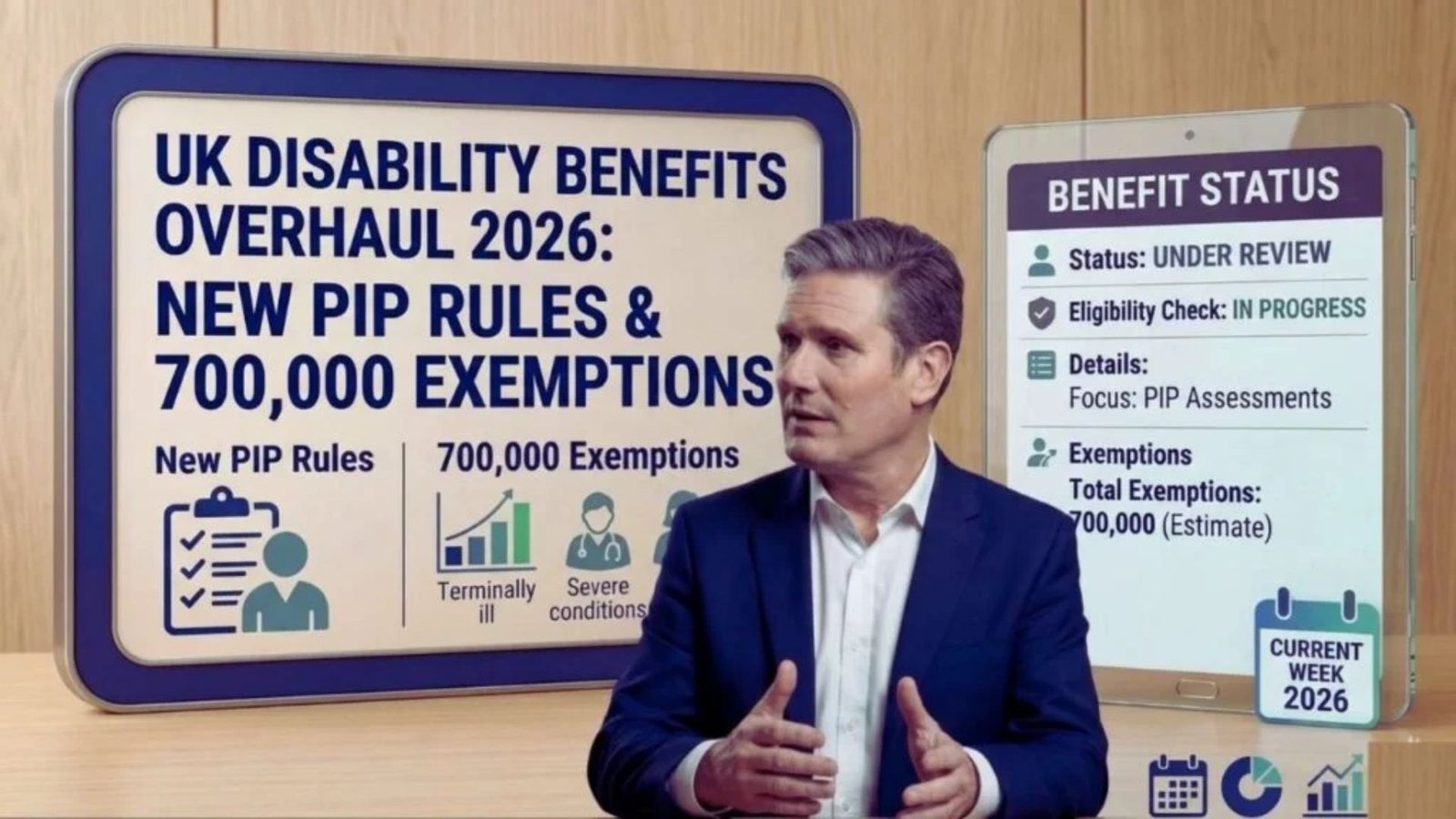
The United Kingdom’s disability benefits system is expected to undergo significant reforms in 2026, with major changes proposed to the Personal Independence Payment (PIP) program. The overhaul aims to modernize the welfare system, tighten eligibility rules, and focus support on individuals with the most severe or long-term health conditions.
One of the most widely discussed elements of the reform is a proposal to exempt around 700,000 disabled people from repeated reassessments, offering more stability for claimants whose conditions are unlikely to improve.
What Is Personal Independence Payment (PIP)?
Personal Independence Payment is a UK disability benefit designed to help people with long-term physical or mental health conditions manage extra daily living and mobility costs.
The program is administered by the Department for Work and Pensions and is available to people who have difficulty carrying out everyday tasks or getting around because of a disability or health condition.
PIP includes two components:
- Daily Living Component – for help with everyday activities
- Mobility Component – for assistance with moving around
Claimants are assessed through a points-based system that evaluates how their condition affects their daily life.
Why the Government Is Changing Disability Benefits
The UK government says the welfare system has seen a sharp increase in disability claims in recent years, putting pressure on public finances. Officials argue that reforms are needed to ensure support is targeted at those who need it most while also encouraging people who can work to return to employment.
At the same time, ministers say they want to reduce unnecessary reassessments for people with lifelong or severe conditions.
700,000 Claimants Could Be Exempt From Reassessments
One of the key features of the reform plan is that about 700,000 current PIP recipients could be exempt from routine reassessments.
This exemption is expected to apply mainly to people who have:
- Severe lifelong disabilities
- Progressive or degenerative medical conditions
- Terminal illnesses
- Conditions that are unlikely to improve over time
Under the current system, many claimants must undergo periodic reassessments even if their condition is permanent. The proposed change would reduce this burden and allow long-term awards for those with serious disabilities.
New Eligibility Requirement Being Proposed
Another significant change being discussed is a new rule for qualifying for the daily living component of PIP.
Under proposals outlined in government policy reviews, claimants may be required to score at least four points in one specific daily-living activity in order to qualify for the benefit.
Currently, points can be accumulated across multiple activities. The new rule could make it harder for some applicants with moderate disabilities to qualify.
Changes to Assessments and Reviews
The government is also planning adjustments to how disability assessments are conducted.
Potential changes include:
- Increased face-to-face assessments for certain claims
- More digital or remote evaluations where appropriate
- Longer award periods for people with stable conditions
- More targeted reassessments for claims likely to change over time
Officials say these changes are meant to make the system more efficient and fair.
Impact on Future Claimants
While many current claimants could receive additional protection, future applicants may face stricter eligibility criteria.
Policy analysis suggests that hundreds of thousands of people could eventually lose eligibility for the daily living component if they fail to meet the revised scoring threshold.
Critics argue that the reforms could reduce support for some disabled individuals, while supporters say the system needs to focus resources on those with the greatest needs.
Support Measures and Transition Periods
To ease the transition, the government has also proposed several support measures, including:
- Temporary financial protection periods for people affected by rule changes
- Employment support programs for those able to work
- Additional advisers to help claimants navigate the benefits system
Officials say the aim is to balance financial sustainability with protection for vulnerable people.
What Claimants Should Do Now
For current recipients of PIP, there is no immediate action required unless notified by the government.
However, claimants are encouraged to:
- Keep medical records updated
- Attend any scheduled assessments
- Stay informed about upcoming policy announcements
Many of the proposed changes will likely be introduced gradually after further consultations and reviews.
FAQs
What is the main change to disability benefits in 2026?
The government is proposing major reforms to the PIP system, including new eligibility rules and exemptions for some long-term claimants.
Who are the 700,000 people being exempted?
The exemption mainly applies to individuals with severe, lifelong, or terminal conditions who may no longer need routine reassessments.
Will existing PIP claimants lose their benefits?
Many current claimants are expected to remain protected, but future applicants may face stricter eligibility rules.
When will the new rules start?
Some proposals could begin from 2026, although full implementation may take several years as the reforms are finalized.